Physical Address
304 North Cardinal St.
Dorchester Center, MA 02124
 Skip to content
Physical Address
304 North Cardinal St.
Dorchester Center, MA 02124

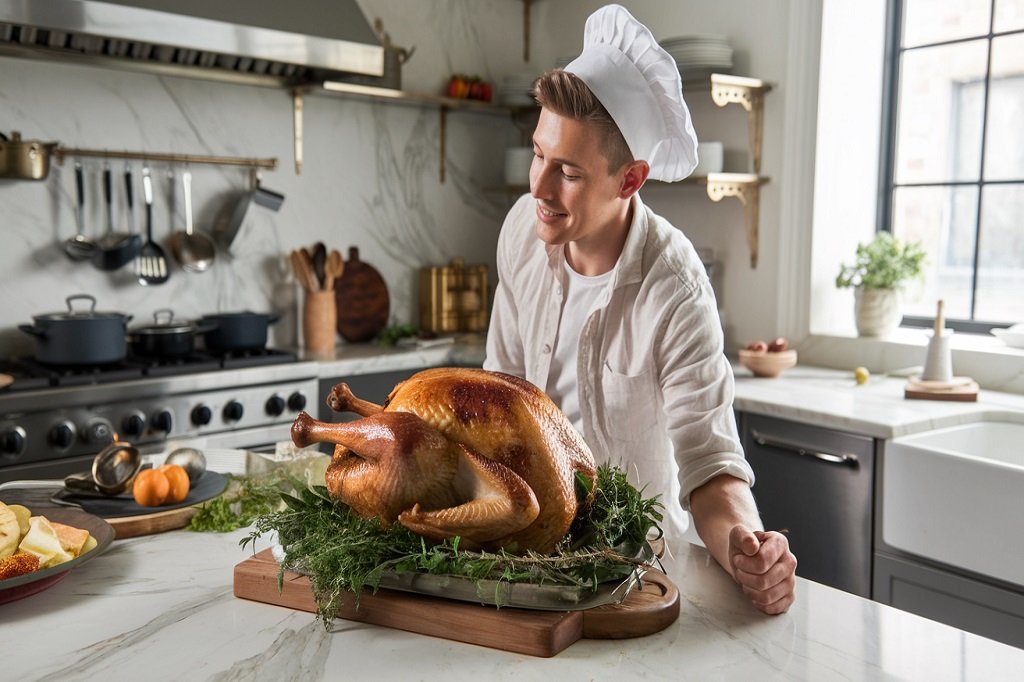
Do you know how to cook a turkey? Are you preparing and cooking a turkey for your family or friends? Is this your first time cooking, or would you like to enhance the flavor and presentation of the turkey? Well, roasting a turkey may look challenging at first. However, if you go through some processes and apply the appropriate technique, you will have a nice turkey dish for your lunch or dinner.
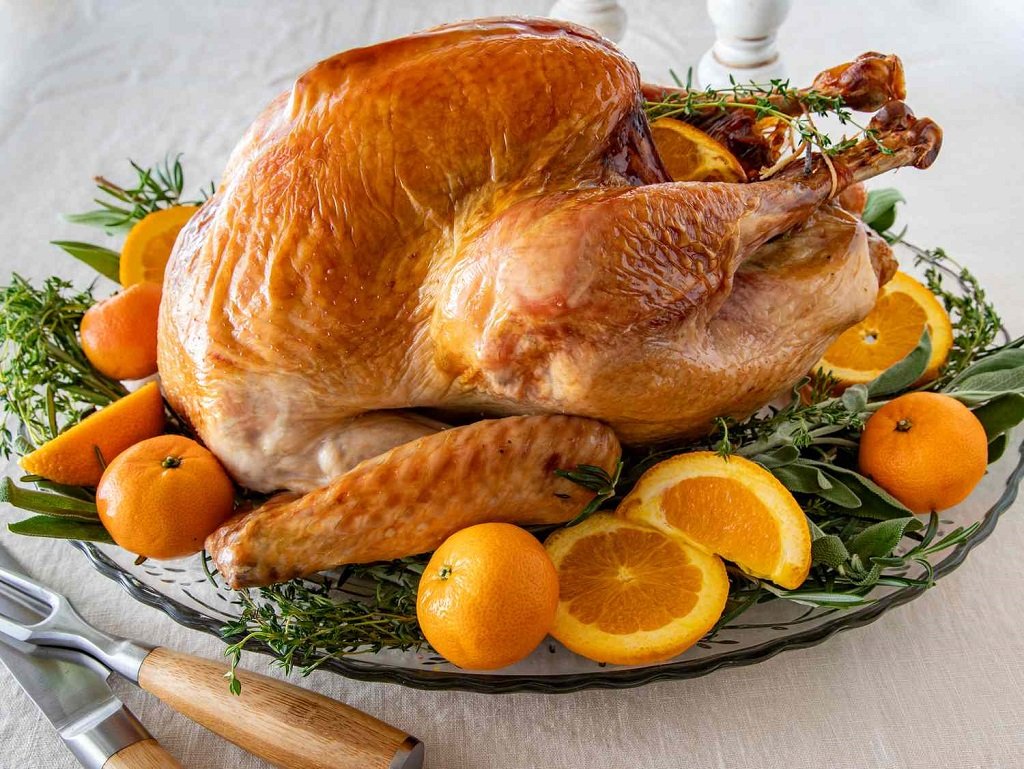
This guide explains several aspects one needs to consider, such as how to season the turkey properly and pick an appropriate cooking method. It does not matter whether you’re an expert cook or just starting; these steps lead to juicy, tasty turkey that guests won’t easily forget. So, get ready, and let us guide you on how to cook a turkey at home.
Once you’ve settled on how much turkey you want to cook, it is time to start preparing one. You can use either a frozen turkey or a fresh one. But in most cases, fresh turkey gets the upper hand over its frozen counterpart, because it doesn’t need thawing.
Long periods are necessary for the thawing process of frozen turkey. There is a method of thawing in refrigerating compartments whereby 24 hours are required for every five pounds of weight on your turkey.
To begin with, take an empty pan and place the turkey there; immediately ensure this goes down the fridge’s lowest shelf. If you opt for refrigerating thawing, remember it takes 24 hours for every 5 pounds.
Alternatively, wrap the piece of meat in wrapping paper and put it in a sink filled with cold water. Changing the water every thirty minutes is essential to keeping your turkey cool.
The following are the ingredients and tools you require to prepare a tasty turkey:
Start by cleaning the turkey using cold running water. Remember to clean it inside and out and dry it with paper towels. You can apply brine to your turkey to enhance the flavor.
If you are using wet brine, then immerse your turkey for twelve to twenty-four hours in a saltwater solution containing spices, herbs, and sugar. Wash the turkey with cold water to avoid excess salt before cooking it, then dry it with paper towels.
The turkey may also be dry brining, usually using kosher salt and a blend of sugar, herbs, and spices, which are later applied to the surface of the turkey. You can even rub some of this mixture beneath its skin or apply it inside its cavity. You later place your turkey on a rack set over a baking sheet and refrigerate it for 24-48 hours.
Fresh rosemary or bay leaves can be used as stuffing components for the cavity to infuse the meat with flavor. Don’t forget about seasoning on top by rubbing a mixture containing olive oil and your preferred spices like paprika, salt, and pepper all over its skin.
The last part of seasoning your turkey is to include aromatics for better taste.
You may place onions and garlic cloves inside the cavity. When cooking the turkey, such aromatics usually permeate the meat with a delicious aroma. You should scatter fresh herbs around turkeys in roasting pans so that their aroma can enhance the flavor of the turkey. The melted butter should be brushed on to cover the outside of the turkey. You can add the rest of the seasonings over it if you have already covered it with butter.
Roasting is how many people cook turkey. Preheating the oven to 325°F (163°C) is the first thing to be done when cooking. Put a roast rack inside a roasting pan alongside the turkey that faces breast side up. This rack ensures that hot air flows through when cooking your turkey even more, which could provide crispy skin.
The wings must be tucked under the bird so as not to burn. Add broth or a cup of water to the pan to prevent drippings from burning.
In the next step, insert a meat thermometer into the thickest part of your turkey thigh, ensuring it does not come into contact with bone. Aluminum foil will then cover the turkey to prevent quick browning. During the last 30-45 minutes of roasting, remove the foil for brownish golden crispy skin to form on your turkey.
Keep roasting until the turkey’s internal temperature reaches 165°F (74°C).
The cooking times vary, but on average, it takes roughly fifteen minutes for each pound; therefore, the number of pounds being cooked should be the determinant factor of the time taken.
Basting is when you brush some pan juices on top of a turkey so that it can have a pleasant taste and remain juicy. This is not essential but may enhance the flavor of the turkey. Every 30 minutes, one should baste the turkey to keep it moist. Regular juices used for basting include broth, melted butter, and drippings from a pan used for roasting meats.
Give it 20 to 30 minutes after restring the turkey from the oven. Use aluminum foil to cover it to keep it warm, and ensure it is not tightly wrapped to avoid the turkey getting soggy.
Prepare the following essential items when carving the turkey: a knife, which should be sharp, a fork, and a cutting board.
We need to start by removing the legs and thighs first, specifically, cutting through the skin and joining the legs to the body are what we need to do here. To remove the legs and thighs, gently pull away from the body until you reveal joints. Then, cut off the joint with a knife. If necessary, remove the thighs from the drumstick.
The next step in carving is removing the breasts. To remove the breast in its entirety, cut down each side of the breastbone. Next, cut the breast meat into even sections by slicing it against the grain.
Now carve the thigh meat. Slicing the meat off the bone requires a solid grip on the thigh. Cut the thigh meat into small pieces.
Simply set the carved turkey on a big serving plate and decorate it with thyme or rosemary. You can serve it with your friend’s or family’s favorite options like mashed potatoes and cranberry sauce. Additionally, consider having a crunchy salad or vegetable platter alongside the turkey to make your food more elegant.
 Optimized by Seraphinite Accelerator