Physical Address
304 North Cardinal St.
Dorchester Center, MA 02124
 Skip to content
Physical Address
304 North Cardinal St.
Dorchester Center, MA 02124

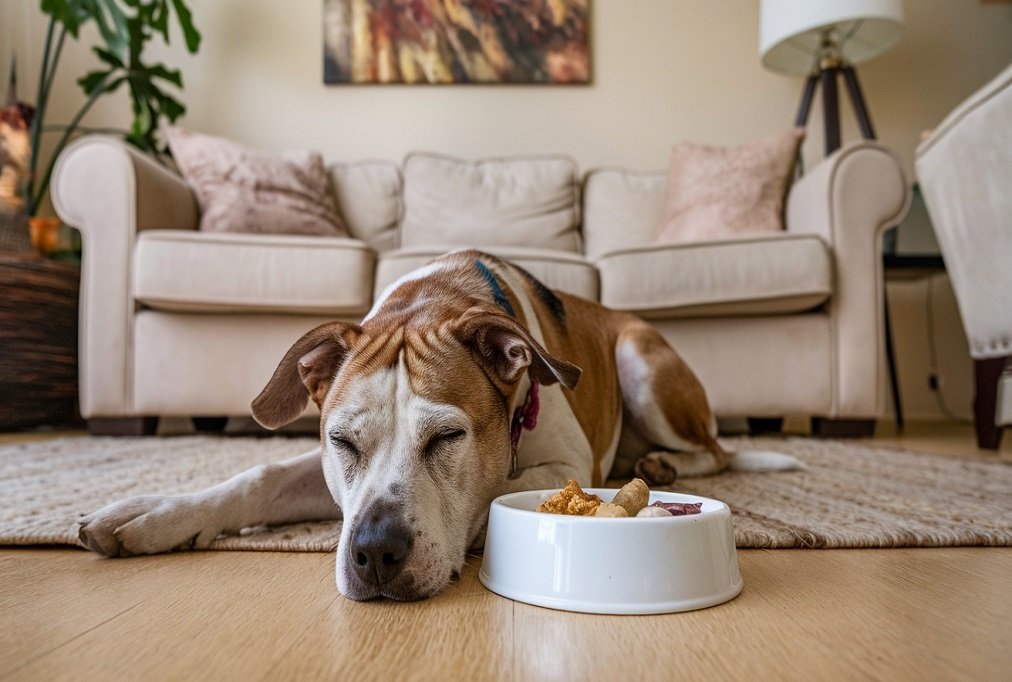
Are you feeding your dog poisonous food without knowing? Or are you wondering what are the most poisonous foods for dogs? Often, people share their meals with their dogs because, to them, they are like family members. However, just because some foods such as chocolate or milk are suitable for you, they may be intolerant to dogs. Unlike humans, dogs process food differently. This means that most of our food is harmful to our four-legged friends. However, several common foods are poison to dogs. Therefore, we need to differentiate between them and give our pets only what is safe for their health. Here is a detailed look at some of the most poisonous foods for dogs and what to look for in case you suspect that your dog has ingested something poisonous.

Some of the most poisonous foods for dogs include:
Do you love chocolate carrying chocolate to your home? Well, chocolate contains caffeine-theobromine compounds (especially dark chocolate) that lead to vomits, diarrhea, and convulsions in dogs. Next time you have one in your home, ensure it stays away from your dog.
While they are sweet to humans, grapes and raisins contain toxins that are harmful to dogs. When ingested, dogs portray lethargic behavior, anorexia, and emesis symptoms. Besides, even small amounts of grapes or raisins could cause acute kidney failure in your dogs. Therefore, it is ideal to ensure your dog stays away from them.
All onions, whether raw, cooked, or powdered; have compounds that can become toxic to a canine’s red blood cells. When ingested, onions cause anemia that is manifested by weakness, vomiting, and difficulties in breathing.
Garlic is another poisonous food that can cause stomach upset and reduce red blood cell levels in your dog’s body. It can take days for a problem of any sort to be evident. Some possible symptoms associated with garlic include weakness, vomiting, and the gums turning pale.
While they may appear good, avocados contain persin, a toxin that can cause a dog to have diarrhea and vomiting, eventually causing fluid accumulation around the heart. Pet owners must prevent any access to avocados by their pets because some dogs tolerate them such as Chihuahuas while others like Bull Terriers do not.
Artificial sweeteners are toxic to your dog. Pastries, candies, and sugar-free gums predominantly have xylitol which causes harm to dogs. So, once the dog eats any food item containing these substances, insulin is released quickly leading to hypoglycemia or low blood sugar. Consequently, they will experience seizures, and liver failure and may eventually die.
Additionally, macadamia nuts are yet another food that is poisonous for dogs. The toxicity from macadamia nuts can manifest through weakness, tremors, and vomiting heating. The slightest amounts of this food can make a dog very sick fast.
Dogs manifest greater sensitivity to alcohol influence than human beings. Ingesting alcohol can kill immediately or make dogs lose consciousness. Other symptoms included vomiting, difficulty breathing, and poor coordination.
Coffee, tea, and other beverages containing caffeine are also poisonous to dogs. They contain Methylxanthines that cause vomiting, diarrhea, seizures, and rapid heartbeat, among other effects when consumed by your dog.
You should be wary of raw dough especially one with yeast. Raw Dough made by the use of yeast can ferment in the dog’s stomach when consumed. When fermented, yeast causes the stomach to protrude abruptly therefore causing adverse health effects such as rupture in the digestive tract. The process of fermentation produces ethanol leading to alcoholism.
While raw bones are less harmful under certain conditions, cooked ones are fragile and therefore can splinter; thus dogs’ intestines may obstruct or tear apart.
The amount of cyanide that cherries contain is not bearable for dogs. Ingesting cherries can cause red gums, affect breathing, and even death in severe situations.
When you feed your dog raw meat or seafood, you expose them to hazardous pathogens such as salmonella and E. coli. Besides, there is also a possibility of salmon served uncooked being infested with a parasite that is responsible for fatal salmon poisoning.
Raw eggs may appear safe for your dogs but they contain a significant number of salmonella bacteria that are, in fact, one of the familiar causes of food poisoning in dogs. An egg’s white element known as avidin reduces the body’s absorption rate of biotin leading to skin and coat problems.
Furthermore, large consumption of salt is poisonous to your dog. When dogs ingest large amounts of sodium ions from excessive salting, they can experience vomiting, diarrhea, trembling, and convulsions followed by death.
Nutmeg contains myristicin, a harmful product that causes dangerous effects to your dog such as seizure attacks, increased heartbeat rate as well and hallucinations among many others within the canine species.
As most dogs cannot digest lactose well enough it can make their tummy hurt causing bloating along with diarrhea.
The dog cannot be poisoned with corn grains but the cob can block intestines leading to surgical removal.
Although not all, some types of mushrooms are poisonous to dogs as they lead to liver failure, vomiting, diarrhea, and seizures. When considering feeding your dogs some mushrooms, consult your veterinarian on the best type, one that will not cause any harm to them.
Vets recommend one not feed their dogs foods that contain high levels of fat such as ham, bacon, or fat part as they result in pancreatitis. In addition, they may experience obesity and many other problems.
Dog owners should be able to point out these symptoms of food poisoning, for when treatment is done right and restarts promptly, it can make a huge difference. The general symptoms presenting dog poisoning are as follows:
In case your dog ingests any of the substances in the poison list, you have to act fast to help prevent any signs from developing. You should call your vet immediately once you observe any sign of poisoning in your dog, such as vomiting, convulsions, or even difficulty breathing. In most toxic cases, it means everything is time-critical. Your veterinarian may recommend that you induce vomiting at home, but this should be done only with professional guidance. Always consult a doctor before attempting to treat poisoning on your own.
Dogs have different metabolic systems compared to humans. Hence, some ingredients that are safe for humans can be deadly or harmful to dogs.
Most dog breeds are lactose intolerant, implying that they struggle to digest dairy products once ingested. Once ingested, a majority of dairy products can result in stomach discomfort, diarrhea or even bloating.
Some symptoms of food poisoning in dogs include:
If you suspect that your dog has ingested harmful/toxic food, consult your veterinarian immediately.
 Optimized by Seraphinite Accelerator