Physical Address
304 North Cardinal St.
Dorchester Center, MA 02124
 Skip to content
Physical Address
304 North Cardinal St.
Dorchester Center, MA 02124

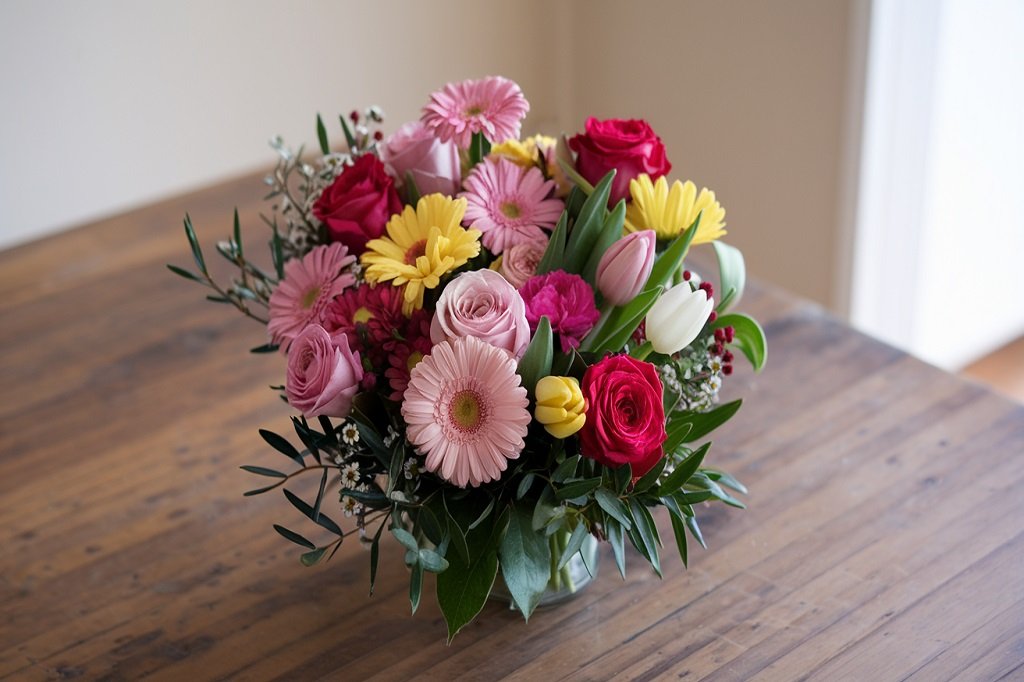
Do you want to make your flowers last longer? Have you received a bouquet and are wondering how to prolong its freshness? Well, worry no more! A bouquet given as a gift, composed of very bright flowers can bring happiness, joy, and love to any space and remain in mind for a long time even after the petals have dropped. Even though flowers can bring about a sense of beauty and warmth in any place, their desirability is short-lived.
This article discusses different ways you can keep cut fresh flowers alive longer than usual. It is important to understand why cut flowers wilt; for example, water quality, temperature, and light exposure are some of the reasons they do that. If you learn these methods, you will be able to preserve your arrangements for longer. That way, you will get the maximum out of them and your investment as well through enjoying their beauty longer than before. Now, grab your notepad, and let’s discover how to make flowers last longer!
Proper stem cutting is essential for extending the life of your cut flowers. When you are arranging the flowers, you should utilize a sharp knife or employ scissors to make clean cuts. It is important to use a sharp knife as dull blades cause the stem of the flowers to break which blocks the water flow.
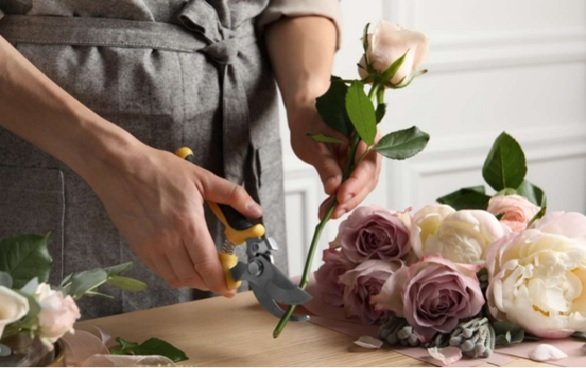
In addition, you should cut the stems at a 45-degree angle. This angled cut enables easier water absorption hence better hydration ability by flowers. Mostly you should cut 1-2 inches from the bottom side of the stems.
This length guarantees that the flowers fit the vase properly while facilitating improved water absorption. Remove any leaves that you see in the water to stop them from rotting and from growing bacteria.
Pruning is a critical but frequently overlooked aspect of flower care. Removing extra leaves can extend the life of your flowers. Use sharp scissors to remove these lower leaves, ensuring that only healthy leaves remain above the water.
Pruning improves water absorption and prevents rot. The flowers may concentrate their efforts on watering and blossoming. This approach can result in healthier, more vibrant arrangements that last longer.
Flowers should be kept out of direct sun and heat sources. Heat can quickly dry up flowers, while direct sunlight might cause them to wilt too soon. Instead, pick a spot with plenty of indirect light, like next to a window that has sheer curtains.
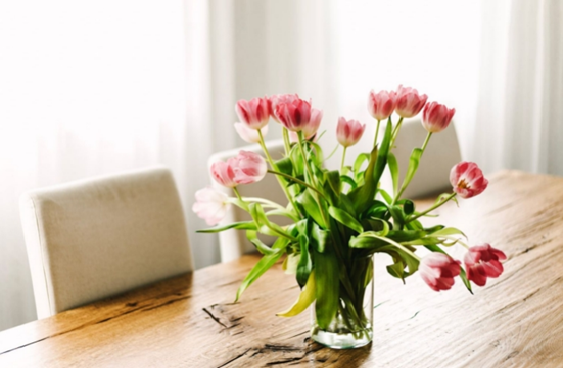
Apart from steering clear of direct sunlight and heat, take into account the room’s overall temperature. The recommended temperature range for most cut flowers is 65°F–72°F (18°C–22°C). Flowers shouldn’t be placed next to appliances that produce heat, air conditioner vents, or heaters. Keeping the temperature constant will help to prolong the freshness of your flowers.
A clean and high-quality water supply is essential to proper flower care. Change the water every two to three days. The stems stay hydrated with fresh water, preventing any bacterial growth from taking place. After substituting the previous water with a new one, ensure that you appropriately clean up the vase to eliminate any likely presence of bacteria or deposits.
Additionally, use warm water and soap to scrub your vase thoroughly. You can use a sponge to do away with any bacteria that might have remained. Ensure to rinse completely so as not to leave any soap residues which may turn out harmful to flowers. In case you wish, add fresh water that has room temperature back into the vase after cleaning, flower food may also be added here.
Some flowers may fade or wilt unavoidably as they age. Wilted flowers must be removed as soon as you see them. Bacteria that infect dead flowers might harm the healthy flowers in the arrangement. By taking away these wilted flowers, your floral arrangement will retain its good looks and overall well-being.
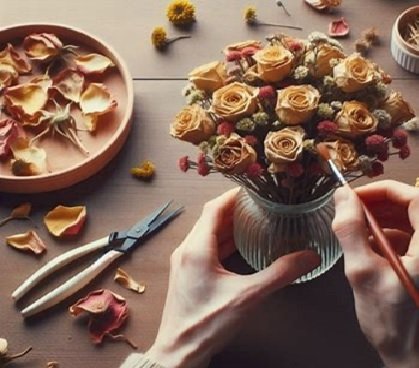
Removing dead or dying flowers makes an arrangement look better as well as provides other healthy flowers a chance for further growth accompanied by an increase in their nourishment and moisture content.
The longevity of your cut flowers can be greatly extended with commercial flower food. Fresh flowers are usually nourished using a combination of sugar, acid, and biocides which serve to maintain a pH balance that favors development and prevents multiplication by harmful microorganisms. All this ensures that the plants remain fresh for longer periods since they have all that it takes for their growth.
For DIY enthusiasts, it is easy to produce flower nutrient solutions at home with only a few items found in any house.
Mix one quart of water with two tablespoons of white vinegar and one tablespoon of sugar. Bacteria growth is slowed down through the use of vinegar while sugar acts as an energy source making the blossoms last longer than normal. Combine and substitute this mixture for store-bought floral food.
Different types of flowers vary in lifespan, particularly in longevity. However, some kinds will naturally outlive others.
When buying or arranging flowers, knowing which blossoms last longer will help you make wise decisions. Their robust quality enables them to endure longer compared to fragile varieties like peonies or roses.
Apart from these, the cut flower longevity depends on other factors such as moisture levels in the air, temperatures, and treatment given to them. They usually wilt fast when they lack care or when subjected to high-temperature conditions. Moreover, at the time of purchase, fresh flowers play a crucial role in determining how long they’ll last. Here’s a quick summary of some common cut flower longevity:
 Optimized by Seraphinite Accelerator