Physical Address
304 North Cardinal St.
Dorchester Center, MA 02124
 Skip to content
Physical Address
304 North Cardinal St.
Dorchester Center, MA 02124

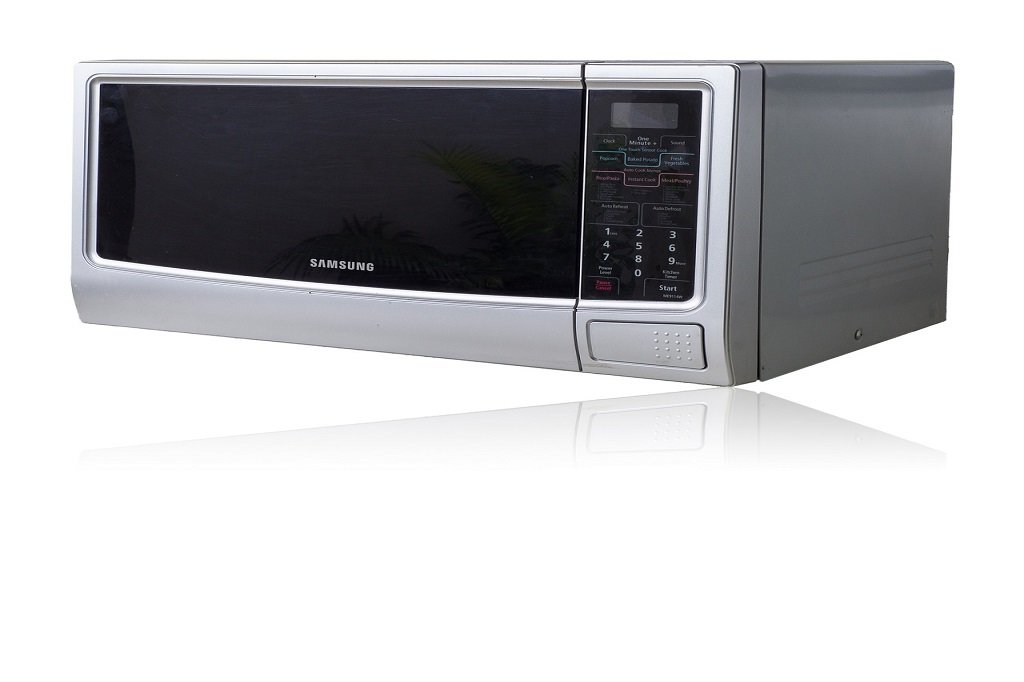
Microwaves are among the most used kitchen gadgets in many homes. We use microwaves to heat different types of foods, including those that spill. Over time, microwaves accumulate dirt and grease, which becomes hard to clean. If the dirt and grease are not cleaned shortly, they become smelly and produce an odor. In addition, the dirt becomes a breeding ground for bacteria, which poses health risks. Even though there are so many cleaning agents being sold in stores and online, many people fear using chemical-based products. This is because they consider them harmful to their health and the environment. Well, the good news is that there are natural ingredients available to help you clean the microwave. This DIY guide will explain how to clean a microwave at home using simple yet applicable solutions.
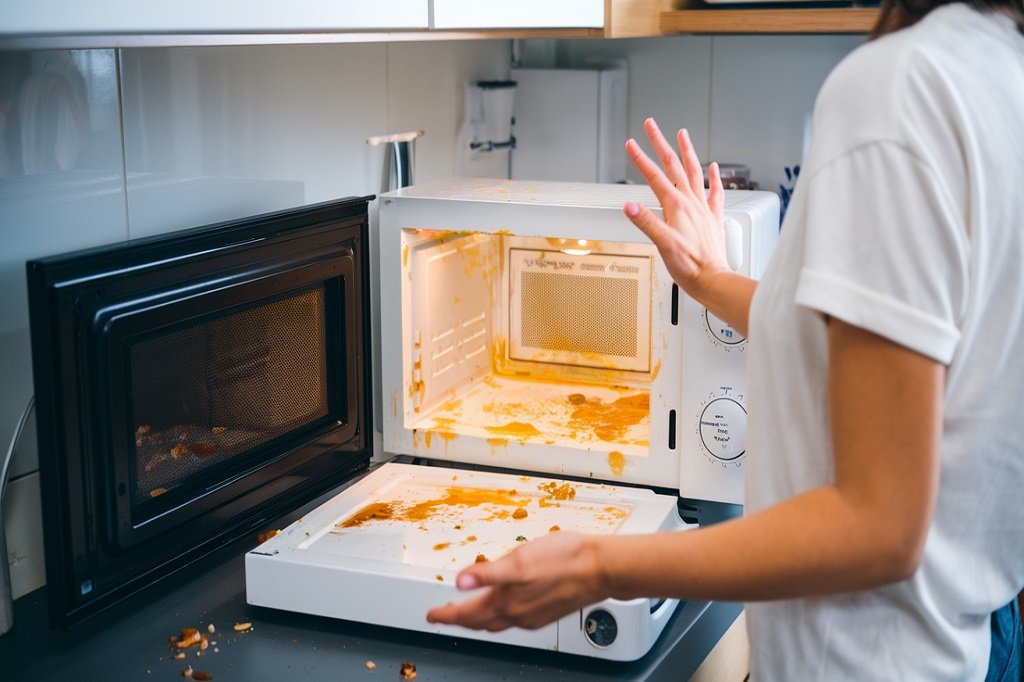
To clean a microwave using this method, you require:
Use a microwave-safe bowl to mix vinegar and water. Place this mixture in the microwave and heat it high for five minutes. If you hate the same vinegar, add two drops of essential oil to a lovely aroma. Once it starts to boil over, allow it. The steam helps in softening all the grime.
Once the microwave stops working, let the mixture cool for 10 minutes before you open the door.
Carefully remove the bowl from the microwave. Do not pour it yet, as you will require it later. In addition, remove the turntable, which will later be cleaned in the sink.
Use a microfiber cloth to wipe the interior of the microwave. Most of the mess will easily come off. In case you encounter stubborn spots, use a non-scratch scrubbing tool.
Remove the turntable tray and clean it in the sink using warm soap water. Scrub off any food particles or stains, then rinse and dry it before you place it back in the microwave.
To clean the exterior, apply an all-purpose cleaner to a clean cloth and utilize it to wipe down the exterior of the microwave. It is essential to avoid direct spraying on the control panel.
To clean a microwave using this method, you require:
Start by repeatedly rolling the lemon on a table to loosen the juices. Slice the lemon in half and squeeze all the juices into a microwave-safe bowl. Place the squeezed lemons into the bowl and add 1 cup of water. Microwave the mixture on high for 5-10 minutes.
Once the microwave has stopped, let the mixture rest in the microwave for an additional 10 minutes. This gives the steam to soften hard foods and stains in the microwave.
You can now carefully remove the microwave bowl from the mixture. Wipe any loosened grime using a microfiber cloth.
Remove the turntable, which will be cleaned later in your sink with warm, soapy water. Interior of the microwave should be cleaned using a microfiber cloth. Avoid using any cloth that may cause scratches.
Clean the turntable, support rollers, and microwave bowl in a sink. Ensure you use warm, soapy water and a microfiber cloth.
Clean the exterior of the microwave using a dry microfiber cloth.
Some people will pay attention to cleaning the interior and forget the filters and exterior of the microwave. Unlike countertop microwaves that don’t have filters, over-the-range microwaves that have exhaust fans contain filters. Filters are used to trap grease; hence, leaving them uncleaned will result in a sticky mess on walls and filters. Here is how you can clean filters.
Gently remove the filter and soak it in hot sudsy water. You can add baking soda to the mixture if the filter is extra greasy. Let it soak for 15 -30 minutes.
Now, remove the filter from the solution and clean it in the sink with a sponge.
Thoroughly rinse the filter and let it dry before replacing it in the microwave.
Here are some useful tips to help you maintain the cleanliness of your microwave:
There is a likelihood that some food will spill when you microwave your food. It is recommended that such spills be cleaned up immediately when they happen. Postponing the process gives food time to dry and stick, which complicates the cleaning process.
It is essential only to use microwave-safe containers. These containers are made in a way that does not affect how the microwave works. Using items made of aluminum foil or metals can result in damage to the microwave.
If you are heating or cooking food with a microwave, use microwave-safe lids to avoid messy splatters. Splatters result in stains, and they emit odors. As a result, it becomes challenging to clean.
For those individuals who own microwaves that have filters, conduct a regular checkup and clean the filters. Regular cleanup will help prevent clogging with grease. This clogging makes it hard to achieve proper ventilation.
Please do not slam the microwave’s door as it interferes with the latching mechanism and the inside parts.
 Optimized by Seraphinite Accelerator