Physical Address
304 North Cardinal St.
Dorchester Center, MA 02124
 Skip to content
Physical Address
304 North Cardinal St.
Dorchester Center, MA 02124

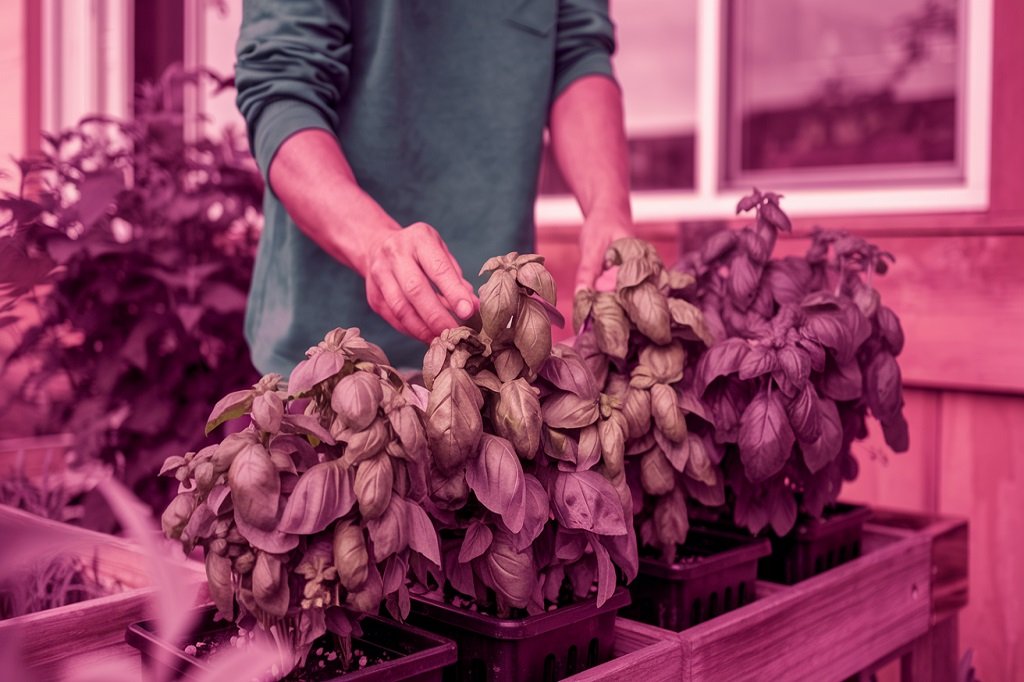
Are you a beginner and wondering how to grow basil plants at home? Well, you are not alone. Basil has specific requirements that make it challenging for most people, particularly first-timers. Many people love using basil leaves because they enrich the taste of different meals with additional and unique flavors.
Apart from enhancing the taste, this herb is also associated with multiple health benefits, including those derived from antioxidants and anti-inflammatory compounds. Italian pasta sauces, pizzas, and fresh salads made in Thailand are some dishes that use basil widely. Basil is a versatile plant because it can be grown in small and large spaces. By the end of this post, you will have learned how to grow basil plants at home and enjoy a bumpy harvest of your basil plants.
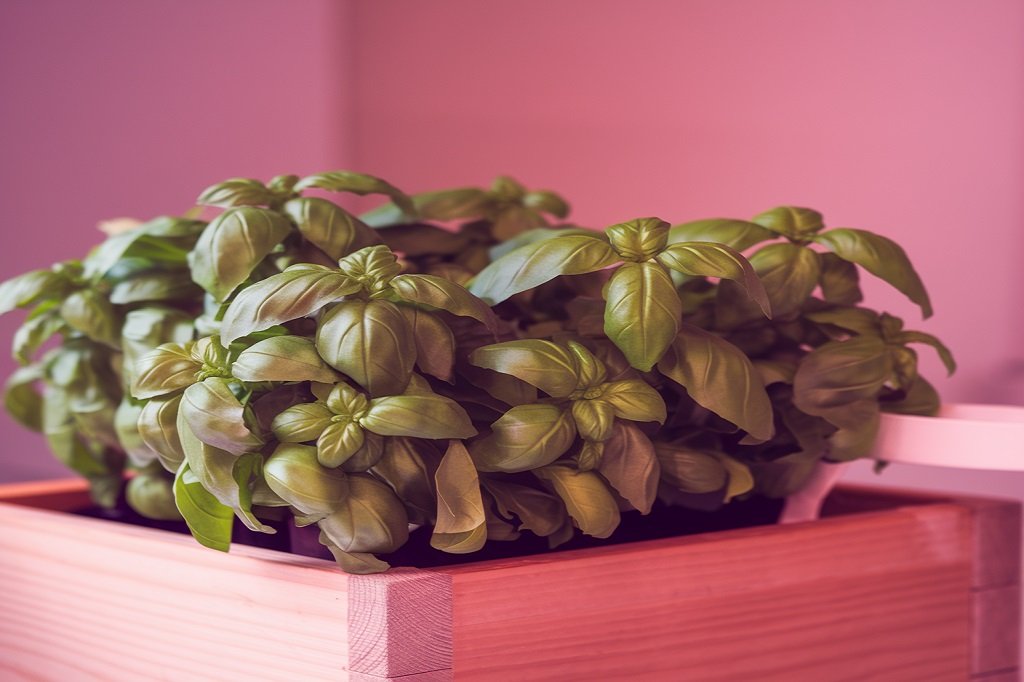
Basil is a plant of the Lamiaceae mint family, and its scientific name is Ocimum basilicum. The Lamiaceae family also includes thyme, oregano, and mint, which are all aromatic herbs. It grows best in warm areas where the temperature ranges from 50°F to 70°F.
If you’re curious about how to grow basil plants, ensuring that you choose the right variety is essential for success.
Usually, the leaves are smooth on the surface; however, some may have slightly serrated edges. The leaf stalks emerge from nodes on the stem and can either be white or purple. The leaves contain essential oils such as linalool and methyl chavicol that give off basil’s distinctive taste and smell.
This plant originated in Africa and Asia. It is worth mentioning that they are sensitive to frost; therefore, it is not advisable to grow basil during winter frost because it will diminish its growth, eventually leading to its dying.
Thai Basil, Purple Basil, Common/Sweet Basil, and Lemon Basil are among the most popular varieties grown. Before you choose the one you want to cultivate for home consumption, let’s look at the various types of basil.
Thai basil has a stronger flavor composed of an anise-like taste combined with a clove-like aroma. It is commonly used in Thai and Vietnamese dishes.
Its dark purple leaves are different from the normal ones; thus, you can never miss purple basil in a salad. Compared to sweet basil, it is spicier.
You have tasted sweet basil already if you love Italian food because it is one of the most common ingredients in marinara sauce and pesto. It is sweet but has a peppery undertone.
Are you looking for basil plants that are characterized by a citrus scent? Lemon Basil does just that, bringing an unusual attack to stir-fried vegetables or even soups.
Before commencing the planting of basil, there are a few things you ought to know, such as the optimal conditions required. Here are the optimal conditions for growing basil plants:
Understanding how to grow basil plants will help you appreciate its many culinary uses.
To have a bountiful yield, whether in soil or big containers, these conditions are important. Furthermore, starting seeds indoors is advisable. This process should begin 6-8 weeks before the last frost date in your locality. Use small pots or seed-starting mix seeds for this purpose. The seeds may be planted around ¼ inch deep into moistened warm soil, which creates an ideal condition for germination. After frost season ends, you can transplant them, ensuring that the right conditions are met first.
Basil has two major techniques of planting. You can directly sow the seeds in the ground or transplant the seedlings. We have already talked about how to do transplanting in the previous topic. If you wish to do direct sowing, start by preparing the soil through loosening. The next important step is to mix the compost. Sow the basil seeds approximately an inch deep. They must be spaced about twelve inches apart.
Basil can be grown along with other plants, like tomatoes, as they help in preventing pests. Additionally, basil enhances tomato flavors when grown alongside it.
For you to grow basil successfully, you need to maintain moisture levels at appropriate amounts. Besides, keeping consistent moisture on moist soil may also help, but care should be taken not to drown the plant as this would cause rotting of its roots. Farming experts advise mulching around the basil plants to suppress weeds and achieve soil moisture retention.
To encourage bushy growth, prune basil regularly by pinching off the stem tips and flower buds that may grow. Fertilize basil every 4-6 weeks to increase the harvest.
After basil plants have grown to between 6 and 8 inches tall, they will be ready for harvest. Regular harvesting encourages plant growth and also allows for more leaves. This should be done every few weeks. Use sharp, clean scissors or pruning shears to cut the leaves during the morning hours. Don’t harvest all the leaves from a plant since it won’t encourage growth. Always leave a few sets of leaves behind.
When learning how to grow basil plants, proper spacing is crucial for their health and growth.
Furthermore, if you want to know how to grow basil plants effectively, mulching is an excellent technique to suppress weeds.
Knowing how to grow basil plants involves regular pruning to encourage bushiness and growth.
Freezing basil is one of the best ways to keep its flavor intact for future use. Begin by washing the leaves thoroughly before patting them dry. You can either freeze the whole leaves or chop them into small sizes and transfer them into an ice cube tray containing water or olive oil in place of water separately if you don’t want to mix them before freezing them out for later use on an as-needed basis. This will prevent any possibility of memory confusion in case someone wants some in the future.
Once you understand how to grow basil plants, you’ll find that the harvesting process becomes easier and more rewarding.
Once frozen, they should be transferred into an airtight container made from plastic bags, preventing air circulation and keeping them fresh and protected at all times.
After you master growing basil plants, you’ll want to explore different storage methods to preserve their flavor.
Another way of storing it would include drying out basil first. Gather stems, tie them up together, and then hang them upside down somewhere cold and dark with a good ventilation system; allow around two weeks until dried leaves are ready. Pull off carefully from tied stems (by now they’re usually crispy) and place inside an airtight box without packing leaves tightly together (to promote uniform drying).
Furthermore, understanding how to grow basil plants will help you prepare for the drying process as well.
Finally, when considering how to grow basil plants, remember that gardening can be both enjoyable and economical.
Basil gardening is budget-friendly and beneficial. Besides, it feels great to know that the food we eat was grown by us and thus that we did not use any harmful chemicals while planting, harvesting, or storing it. There are numerous varieties and flavors of basil, and you should plant the one that you prefer to add taste to your dishes.
 Optimized by Seraphinite Accelerator