Physical Address
304 North Cardinal St.
Dorchester Center, MA 02124
 Skip to content
Physical Address
304 North Cardinal St.
Dorchester Center, MA 02124

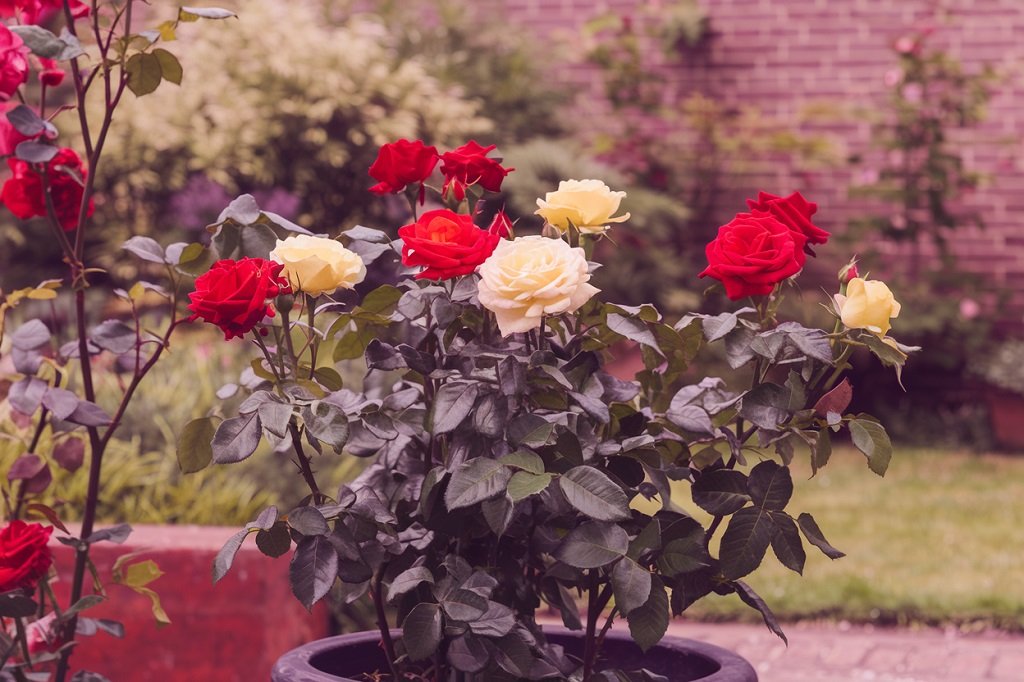
Roses are among the most valued flowers globally for their beauty and fragrance. Various rose varieties are suitable for different garden styles. Therefore, you can get a suitable rose variety for your formal landscape or casual cottage garden. Despite being versatile, roses require special conditions and care. This guide will discuss how to grow roses at home and offer expert tips to ensure they thrive.
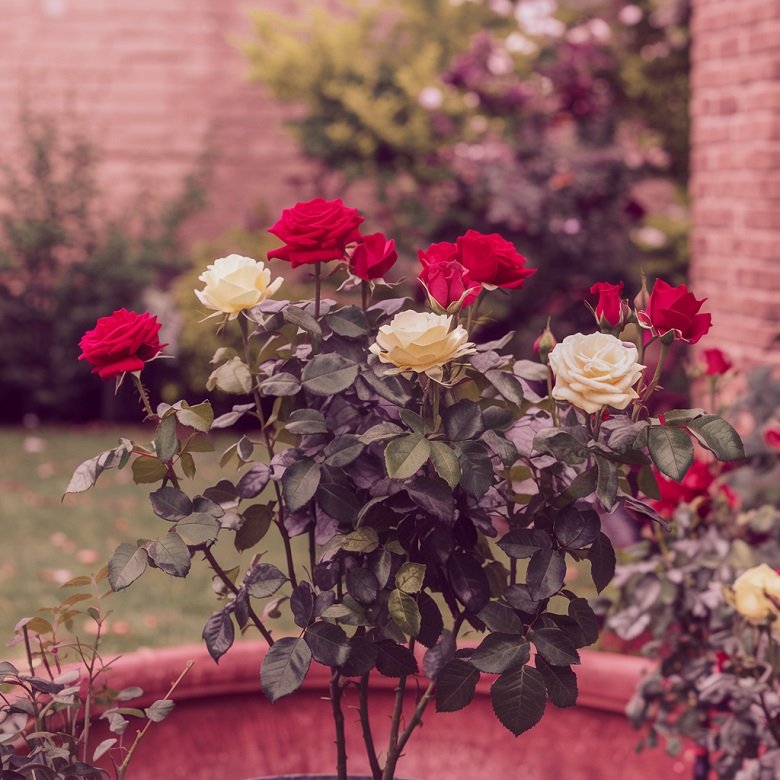
Choosing Between Bare-Root Roses and Container Roses
To grow roses, the first decision you must make is choosing between container and bare-root roses.
Bare-Root Roses
Roses are a cost-effective option because they are available during the dormant season and have a wide range of varieties. Bare-root roses are usually planted early in the spring, usually around six weeks before the last frost, and are lighter and easier to carry. After planting, roses concentrate on developing robust root systems, which may hasten their integration into the surrounding soil.
Container Roses
Pre-potted in soil, these roses are ready for planting right away. Their flexibility comes in being able to be planted at any point during the growth season. Since container roses usually have developed root systems, growth can occur more quickly and transplant shock can be minimized. They also frequently arrive with buds or blossoms, which adds immediate visual appeal.
Selecting the Perfect Roses
When selecting roses for your garden, think about their variety and how well they will complement one another to create a unified design. With thousands of options to choose from, it’s important to choose a few well-matched kinds instead of packing too many types into your area. To achieve harmony in your garden, pay attention to color schemes, growth patterns, and bloom dates.
The Best Conditions for Thriving Roses
Roses need between 6 and 8 hours of direct sunlight a day to thrive, and well-drained soil high in organic content. In areas with high temperatures, providing afternoon shade is crucial for protecting plants against scorching heat waves. In cold regions, planting close to a wall or fence that faces south or west reduces winter losses. To optimize nutrient uptake, the soil pH needs to remain slightly acidic at about 6.0 to 7.0. This can be accomplished by adding compost or other organic material to the soil.
When to Plant Roses
Roses grow best in the spring, right after the last frost, or in the fall, at least six weeks ahead of the first predicted frost. Fall planting early enables roots to take hold before dormancy. Usually, only available in the early spring, bare-root roses need to be planted right away. Container roses allow for more planting freedom.
Follow these steps when planting your roses:
Ensure that the hole you are digging for planting has good drainage and enough depth and width so that roots can fit into it.
Once all the soil from the hole is out, mix it with plenty of garden compost, peat moss, or any other type of organic matter. Before placing it in the shrub, pour some of this mixture onto its bottom-most part (or at least halfway through).
In cold climates crown heights should be situated about two to three inches below ground level while in warmer climates, they need to be even with the ground.
Add a slow-release fertilizer, and use the soil mixture to partially fill the hole. Before applying the final layer of soil, give it a thorough watering.
To help protect the rose while it adapts, fill the hole again, water, and then pile loose soil around the canes.
To ensure sufficient space for growth, plant many rosebushes at least three feet apart.
Roses are among the heavy feeders, so they need frequent fertilization. In early spring, use slow-acting fertilizers that are balanced and per the manufacturers’ instructions. Compost or composted manure are examples of organic sources that provide sustained amounts of nutrients throughout the growth period.
During the growing season, maintain an evenly moist soil by giving it an equivalent of one inch of rainfall weekly. Heavier clay soils hold moisture for longer, unlike sandy soils which need frequent watering. Hot dry windy weather increases irrigation requirements. Water at the base of the plant to prevent sopping it and lower the chance of disease.
In early spring, remove any dead or damaged canes as part of a significant pruning. Trim back one-third to half of the growth from the previous year until you reach healthy, white centers. Roses should be kept neatly throughout the season by gentle pruning. Deadhead spent blooms on reblooming varieties to encourage further flowering.
To decrease common diseases, choose disease-resistant rose varieties. Water around the base of the plant in the morning to keep the foliage dry, and prune to promote air circulation and minimize fungal infections like powdery mildew. Examine your blooms regularly and apply organic fungicides or insecticidal soaps when necessary.
In conclusion, growing roses is a fulfilling journey that transforms your garden into a vibrant, fragrant haven. By learning how to grow roses, from selecting varieties to mastering planting and care techniques, you can enjoy healthy blooms year-round. With the right effort, your roses will flourish, becoming a centerpiece of beauty and elegance in your outdoor space. Now, it’s your turn to bring this timeless charm to life!
 Optimized by Seraphinite Accelerator