Physical Address
304 North Cardinal St.
Dorchester Center, MA 02124
 Skip to content
Physical Address
304 North Cardinal St.
Dorchester Center, MA 02124

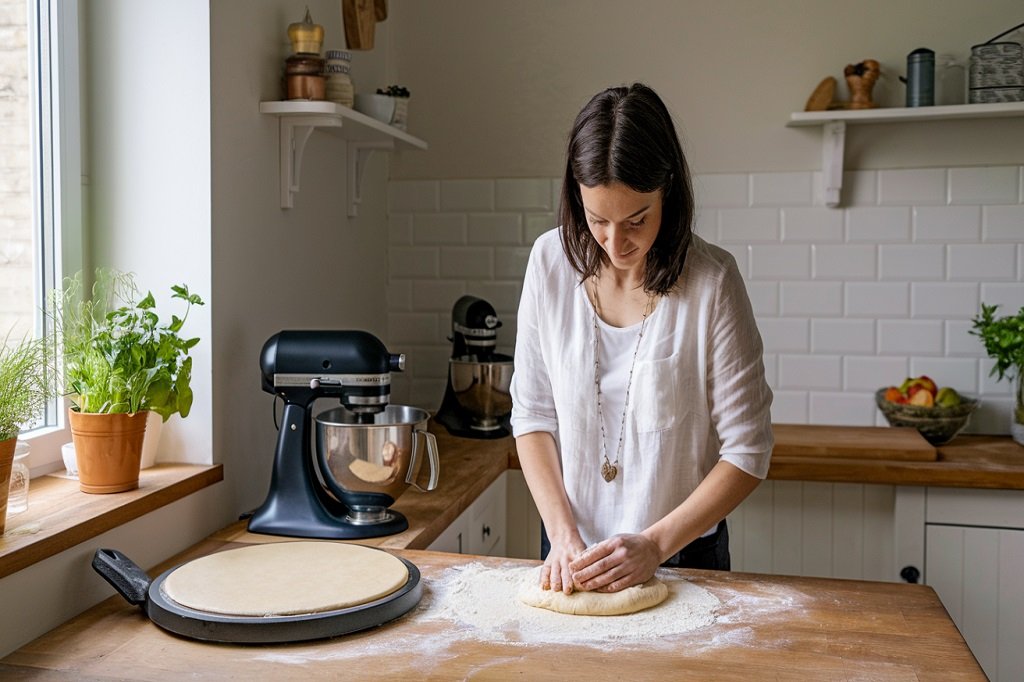
Have you ever taken that sweet pizza bite and wondered if you could make homemade pizza? Well, you are not alone. Often, pizza enthusiasts want to get their hands dirty and make the pizza they direly crave. However, to do this, one needs to make good pizza dough. Yet, many people are unsure where to start and fear using yeast. However, Sally agrees that it is easy to make the best pizza dough at home and anyone can become skilled at it even if they have never cooked before. Making one’s recipe for pizza besides controlling its texture and taste brings so many advantages because it turns into something soft, chewy, and packed with aromas.

Homemade pizza dough provides enough freedom to make your dream pizza either with a thin crunchy crust or thick spongy form. In this article, you will learn about all the ingredients required as well as the steps involved so that you can prepare homemade pizza dough confidently.
Here are the ingredients you require to make a pizza dough:
One of the key secret ingredients that leads to the actual dough-making is yeast. Instant yeast is preferred as it works fast. An example of such a product is the platinum yeast produced by Red Star. You may also use active dry yeast but you should know it takes more time to rise.
Pizza crust texture depends highly on the flour type utilized. Most recipes typically rely on all-purpose flour, which yields soft chewy crusts. If one is looking for chewier crusts, then it’s better to use bread flour because it has more protein in it. On the contrary, wheat flour may give off a stronger taste.
You should use warm water, preferably with a temperature of around 100-110°F as the water activates the yeast hence increasing the rising speed of the dough. Take cause not to use too hot water as it destroys the yeast.
Olive oil is brushed on the dough before adding the toppings to prevent the crust from getting soggy.
Salt enhances the flavor of the dough.
Sugar also softens and activates the yeast, making the dough almost tender.
Here are the exact measurements required for this recipe:
Now, let’s make pizza dough step by step.
In a medium-sized mixing bowl, whisk together sugar with yeast and warm water. Ensure that you have mixed them for about five minutes. If there is some form of bubbling happening then you can be sure that the yeast is working just fine. Next add flour, salt along olive oil.
You should continue mixing until the dough begins to form. During the mixing stage, you can use either a wooden spoon or a mixer that contains a dough hook to mix effectively.
Kneading will help in gluten development in the dough hence giving it elasticity. Those who use machine kneaders should knead their dough at low speed for five minutes; while those doing it by hand should dust their working surfaces with flour before transferring the dough to the surface for about 5 minutes until it feels slightly soft or somewhat sticky. Perform a windowpane test to assess if the dough is ready. Windowpane test involves stretching out a small piece with your fingers to see if it’s going to stretch thin without tearing.
Once the dough kneads have been done, take it to a bowl that has oil and turn both sides so that they are coated. Once the dough has risen and doubled its volume, allow it to rise at room temperature for 60 to 90 minutes covered with plastic or clean cloths. Allowing dough to rise slowly overnight in the refrigerator for 8-12 hours will give more flavor.
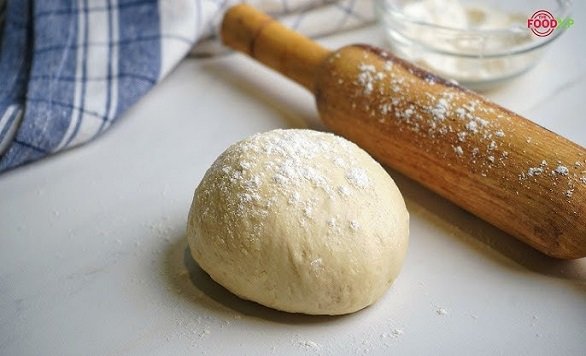
When it has risen, it is time to press down on it to remove any trapped air. If you will be making two pizzas then cut the dough into half. Dust your worktop lightly with flour before loosely shaping each piece into a ball. Cover these with plastic wrap for about five minutes before continuing with other steps. Let the dough be about 1/2 inch thick if you want a thicker crust. For a thinner crust, spread it out further.
Adjust your oven temperature to 475°F for at least fifteen minutes. For extra crispiness, rub cornmeal on a lightly oiled olive oil baking sheet or pizza pan.
Lightly coat the pizza-shaped dough with olive oil so that it does not get wet after shaping. And bake for 13-15 minutes or until the toppings start bubbling while the crust appears brownish.
You can create anything from your dough with no limits. Here are some other ways of using your pizza dough at home:
The dough should be rolled out, cut into strips, and knotted each strip. After brushing with garlic butter, bake until golden.
Stuff your rolled dough with deli cheese favorites, meats, and veggies; then roll it up burrito-style and bake until the crust is golden brown.
Alternatively, if desired, layer mozzarella and parmesan cheese slices on top followed by a creamy spinach artichoke spread as a modern twist.
Base with barbecue sauce, then top with shredded chicken, red onions, and cilantro.
You can make enough dough for two 12-inch pizzas. This pizza dough recipe can be prepared before and frozen by putting it into oiled zip-top storage bags once it has risen after rubbing a bit of oil into each piece. Squeeze out all the air and freeze it for a maximum of three months. Take the dough from the fridge to thaw, giving it the night’s time. Allow the dough to rest at room temperature for about half an hour before shaping and getting it to the current point of baking. You can freeze your homemade pizza for 3 months.
The best way to make the dough ahead of time is to place it in the fridge and allow it to rise overnight. This way, you will have a gradually rising dough which provides flexibility while baking pizzas at parties and gatherings. Moreover, this slow-rising kind of dough also assists in developing more flavors.
Wrap the dough with plastic and put it into oiled bags to freeze it. Before shaping, allow the dough to come to room temperature and thaw it in the refrigerator overnight.
If when kneading time comes and your dough is too sticky, just sprinkle some flour over it. On the other hand, do not go overboard as this will make the dough dry. On the contrary, if it’s too dry do not add any more flour but instead moisten your palms a bit while kneading to rehydrate the mixture.
 Optimized by Seraphinite Accelerator