Physical Address
304 North Cardinal St.
Dorchester Center, MA 02124
 Skip to content
Physical Address
304 North Cardinal St.
Dorchester Center, MA 02124

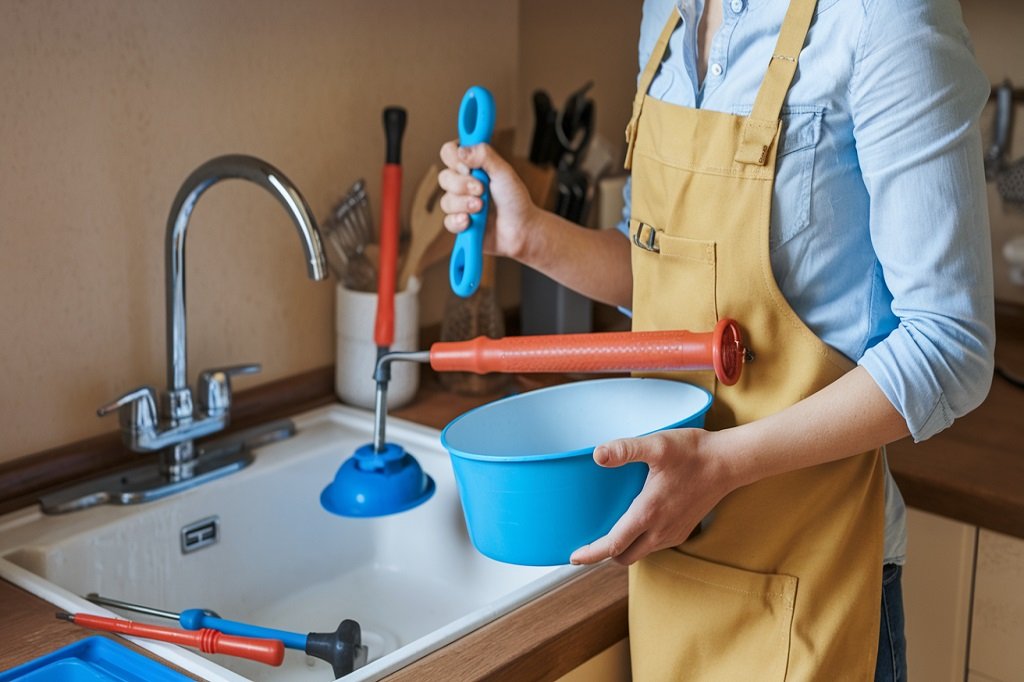
Blockages in our sinks can disrupt our daily activities at home. Whether it’s just a slowly draining or a completely blocked one, it’s important to resolve it without delay. Luckily, there are many ways you can unclog your sink ranging from simple home remedies to hiring an expert to assist you in fixing it. In this guide, we will explain how to unclog a sink easily and suggest what to do to avoid having it again in your house.

Liquid Plumbr acknowledges that boiling water is a simple but effective way to unclog a sink. This method works best for minor clogs caused by grease, food particles, or soap scum—anything that can block it up. Simply pour boiling water down the drain, and you will be surprised to see some of the clogging materials melting away!
For this method, boil a kettle or pot of water first so that it gets hot enough before you are ready to undertake the task. As soon as it boils, carefully pour the boiling water directly into the sink drain hole. When you have a double sink, ensure another side’s drain is plugged so that no water backflows into this one. If the drain is slow, repeat the soaking two to three times.
Plungers are among the oldest tricks to unclog your sink as they create a vacuum pressure that pushes all obstruction out of pipes. You cannot claim that plungers work only with toilets since they are also effective for sinks.
While using a plunger, you should start by pouring some water into the sink so that it completely covers its cup. This makes the best seal for its sucking ability. Place it well on top of the drain hole before pushing and pulling it repeatedly within twenty to thirty seconds. After plunging, take out the plunger and check if there is any rapid drain; otherwise, you might have to do this again.
Baking soda combined with vinegar creates a natural chemical reaction that can help dissolve obstructions in your sink. By producing fizzing action, this eco-friendly substitute for chemical drain cleaners works by helping dislodge materials stuck in the pipes.
Start by removing still water from the sink. This allows the solution to reach the blockage. Pour about one cup of baking soda directly down the drain, then follow it up with one cup of white vinegar. You will notice fizzing and bubbling as both elements react together. Quickly place a plug or piece of cloth on top of the drain to keep the reaction focused on the blockage. Let it sit for 15 to 20 minutes before flushing it with boiling water.
A drain snake or auger is an adaptable instrument used for removing difficult and obstinate blockages in the pipework. It’s especially good at clearing up blockages that occur due to hair, soap, or food that cannot be gotten rid of through other means.
Start by inserting a drain snake into the drain until you feel some resistance; this means that you have arrived at the obstruction. By turning the handle clockwise, you can attach yourself to the obstruction, and if by chance the resistance decreases, then probably you are breaking it up. Gently pull out the instrument while it still holds on to the obstructions with it. To completely clear any drain, you may have to repeat this technique several times. When all has been removed from the way, use hot water in draining to get rid of any remains.
If the above methods have not worked out, you may want to try using a wet/dry vacuum. This method functions by utilizing powerful suction that removes clogs from the sink’s drain. The first step is to set it on a liquid setting. In addition, ensure it is clean and ready for use. Now, proceed to place the hose on the sink’s drain hence creating an airtight seal around it. For proper sealing purposes, an adapter or piece of cloth might come in handy. Once done, switch on the vacuum and allow it a few minutes to suck out the entire blockage.
A P-Trap can be described as a U-shaped pipe found below your sink whose job is to prevent any debris from getting into your plumbing system. As time goes on, one may find its mouth blocked with oil, hair, and body dirt, rendering the sink useless for drainage purposes.
For cleaning purposes, first put a bucket under the sink, just in case some water or murky stuff breaks off during this process. After disconnecting from both sides using a wrench, loosen those slip nuts positioned on either side of it, then take this part out and scrub it with a brush or wire clothes hanger before rinsing it with fresh water to ensure it is free of obstructions. Later, assemble it back by putting on again his or her nuts after tightening them well enough. Apart from checking for leakages by running some water down into this pipeline.
Even though most obstructions can be fixed by individuals themselves, there come times when experts need to be called in to help them. If after using the above techniques your sink still seems to get blocked, it is high time that you seek assistance from experts. Other indications that suggest the need for a plumbing expert include various clogged water passages within the house, peculiar smells or sounds emanating from the drainage system, or a persistent sluggish flow rate. A plumbing technician can assess the whole situation and determine what caused the blockage, thereby unblocking it. To remove such blockages, they may use sophisticated instruments like hydrojetting and cameras for inspections.
Prevention is critical to avoiding future sink clogs. Regular maintenance routines can help keep your sinks clear and flowing freely. One simple way to prevent grease buildup is to pour boiling water down the sink every week. Beyond these, we have baking soda and vinegar treatments, which can be used once monthly to ensure clean drains. Never should we allow kitchen sinks to get clogged with substances such as grease or coffee grounds, while in bathrooms, use shower curtains that prevent hair from getting into waste pipes.
The right products can also help maintain your drains. For instance, enzyme-based cleaners are organically safe and effective means of removing the build-up on them without damaging pipes. Drain screens are another affordable option that can catch debris before it enters the pipes, reducing the likelihood of clogs.
Dealing with a clogged sink doesn’t have to be frustrating. You can clear most of the clogs in no time using these methods, thus ensuring that your sinks continue functioning smoothly. Whether boiling water with a plunger or cleaning out the P-Trap by hand, each method presents a way out of common clogging troubles. Moreover, taking precautions makes it possible to minimize the chances of future obstructions, hence keeping the home running well.
 Optimized by Seraphinite Accelerator