Physical Address
304 North Cardinal St.
Dorchester Center, MA 02124
 Skip to content
Physical Address
304 North Cardinal St.
Dorchester Center, MA 02124

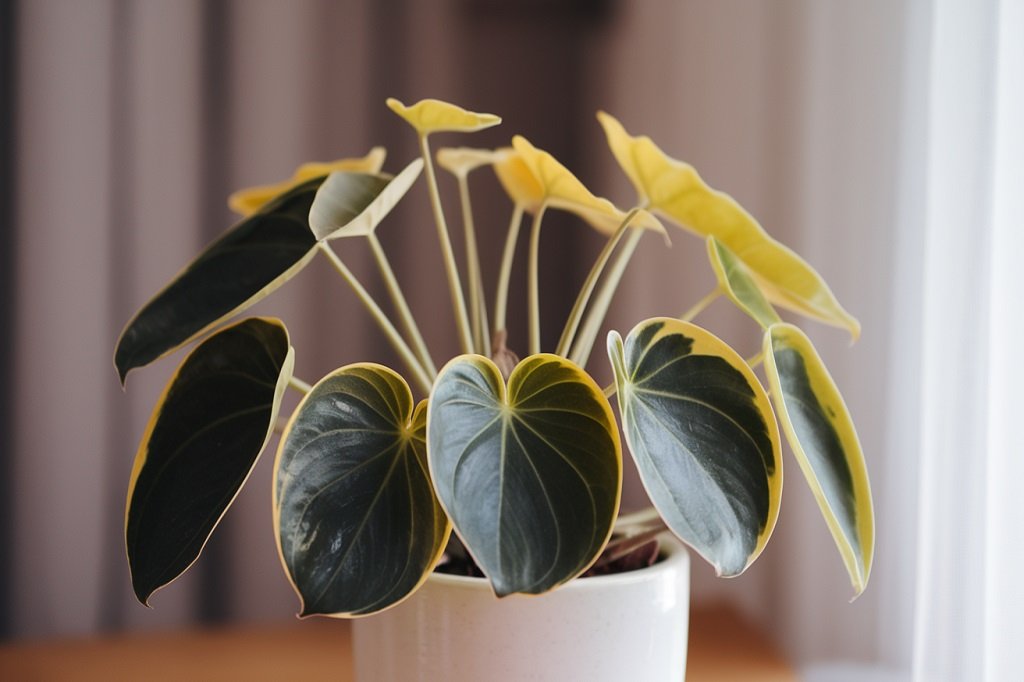
You may be wondering, why are my indoor plants turning yellow? Well, indoor plants have for many years kept our homes vibrant. However, they need to be maintained in the right conditions. If their leaves start to turn yellow, something is already going wrong. The progressive yellowing of older leaves, associated with fall, in which new growth is tipped with liveliness, is pretty much normal. However, all of a sudden yellowing on many leaves could mean something crucial has happened. In this article, we’ll look at some common reasons, why the leaves of your indoor plants are turning yellow and provide practical solutions to help restore their health. Before panicking, look closely at the plant and, using this guide, match the symptoms for the right fix to ensure your indoor plant remains green.
When a plant has excess moisture, its roots start rotting as they are waterlogged. Always be on the lookout for soggy soil that seems to stay wet forever.
If you notice persistent overwatering in your houseplant, consider reducing its watering frequency and checking its drainage system. Changing how you water the plant will hopefully aid in its recovery over time. Additionally, depending on the type of indoor plant, consult or learn how many times a week you are supposed to water it.
Yellow leaves are one of the signs of drying up due to a lack of water in the plant. Watering your plants frequently and as required will avoid the instance of underwatering.
If your plant lacks certain vital nutrients, it will have yellow leaves. When potassium is missing from within the plant, there will be yellowing along leaf margins whereas depletion of nitrogen will start with older leaves yellowing first. Furthermore, yellowing between the veins is a sign that there is not enough magnesium. For indoor plants lacking nutrients, a slow-release balanced fertilizer should be utilized as a solution.
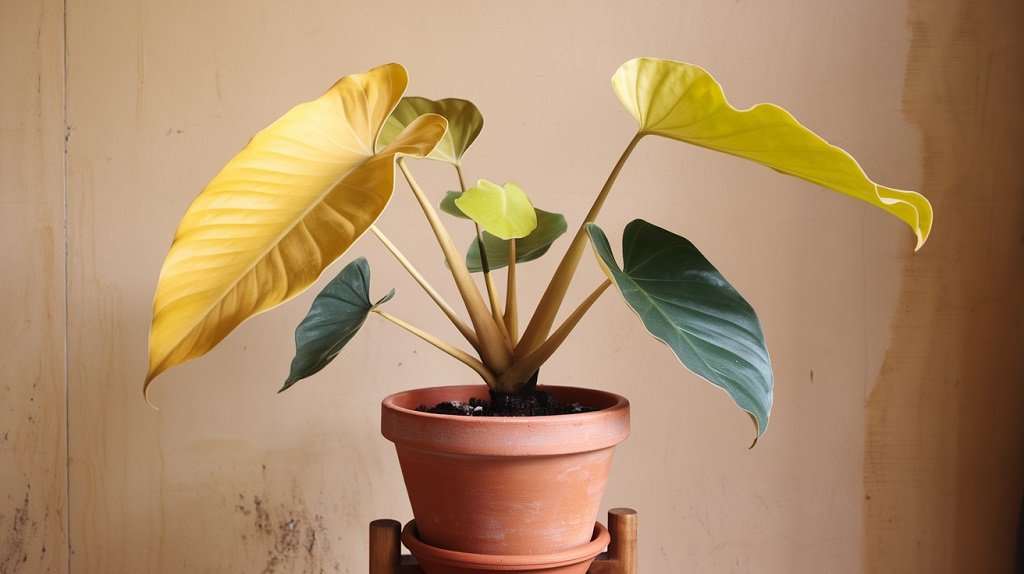
Poor soil drainage makes your indoor plant leaves yellow because the water surrounds the roots and does not drain properly. As a result, yellow leaves will appear in case of bad soil drainage due to the waterlogging of the roots.
Repotting into an appropriate pot with drainage holes is the best cure for bad soil drainage. In addition, utilize a potting mix that is suitable for your plant. Ensure that reused pots are clean and without any particles that could obstruct drainage.
Lack of light is another common why your indoor plant leaves are turning yellow. Your indoor plants are unable to synthesize enough chlorophyll. Indoor plants that receive insufficient light frequently have pale or yellow leaves. This is especially common when plants are housed in dimly lit areas or far from windows.
In case of such, move your plant near the window or else provide artificial light, if it is needed. Some plants want direct sunlight; others prefer shade or low light. Knowing which category yours fits into will help you in creating an area for it to thrive.
pH imbalance does not allow the plant to absorb nutrients effectively making your indoor plant leaves turn yellow. Most indoor plants thrive when the soil has a pH of between 6.0 and 7.0.
You can measure the soil acidity using testing kits available in different stores. You can correct acidic soils with the addition of lime and alkaline soils with peat moss/sulfur.
When roots are continuously exposed to moist, poorly draining soil, deterioration, and root rot result. Wilting, yellowing foliage, and an unpleasant soil odor are signs of root rot. If the root rot is severe, you can also see dark or mushy roots when you inspect the plant.
You can treat root rotting by repotting the indoor plant with a pot that has sufficient drainage and minimizes watering sessions.
Indoor plants may have reduced leaf development and discoloration due to bacterial and fungal infestations. Leaf loss, powdery mildew, and yellow or brown patches are indications of fungal diseases. Yellowing and wilting are common symptoms of bacterial infections; sores or an unpleasant-smelling discharge may also be present.
Remove affected leaves from fungal infection and apply fungicides to prevent spreading and get rid of it completely. For bacterial infections, remove infected areas and increase airflow around the plant to aid recovery.
In extreme cases, you may have to remove the plant to prevent an outbreak.
Household cleaning products, air fresheners, and even tap water containing fluoride or chlorine could hinder home-grown indoor plants’ growth. Yellowing, spotting, or browning of leaves can result from exposure to chemicals, especially in sensitive plants.
Keep away harsh cleaning chemicals from plants as they are harmful. If you think that tap water is causing the problem, fill a bucket with it and stay for a night so that its chemicals evaporate and thus can be used in the morning. Rain or distilled water may also work.
Indoor plants are prone to pests such as aphids and spider mites which turn their leaves yellowish in appearance. These pests feed on plant nutrients thus showing signs like wilting changes in color or reduced growth rate.
You need to check regularly around your plants and look out for pest signs such as sticky residue or webs found on them. Other alternatives can involve using neem oil, insecticide soap, or even ladybugs to manage these insects in large quantities. In addition to that, ensure you isolate any infested plants so that they don’t spread more bugs into others.
The older leaves of aging plants can yellow over time and fall off later on It’s a natural phenomenon but if most of them turn yellow it might reflect a deeper issue related to the plant’s life cycle.
After removing the yellowing leaves, make certain that your aging plant receives ample light, water, and nutrients. Older plants can be given new life and renewed vitality by being repotted in fresh soil. In addition to keeping the plant attractive, regular removal of dead or dying leaves also helps shield it from pests and illnesses.
Some environmental stressors such as temperature changes (fluctuating temperature), drafts either hot/cold can cause stress among plants. This will lead to yellow leaves i.e., when placed close by windows or doors during winter seasons they may be subjected to scorching sunlight eventually turning brown and turning yellow.
To prevent environmental stress, keep your plants in a stable atmosphere with regular temperatures. The optimum temperature of most houseplants for growth is between 60°F and 75°F. Plants also should be kept away from heaters and air conditioners or in direct window/door drafts.
The use of a humidifier or humidity tray could also be desirable to maintain the proper moisture levels.
In conclusion, understanding why your indoor plant leaves are turning yellow and how to fix it is crucial for maintaining healthy, thriving greenery in your home. From addressing overwatering and nutrient deficiencies to combating pests and optimizing lighting, each solution plays a vital role in revitalizing your plants. By closely monitoring their needs and making adjustments as outlined in this guide, you can restore their vibrant green hue and keep your indoor oasis flourishing.
 Optimized by Seraphinite Accelerator